Ferrari Creates Sensation with Revolutionary Rear Wing Trick in Bahrain
Ferrari unveiled an innovative rear wing system during Bahrain's second test that can rotate 180 degrees. Despite technical issues, the development could provide a crucial advantage for 2026.


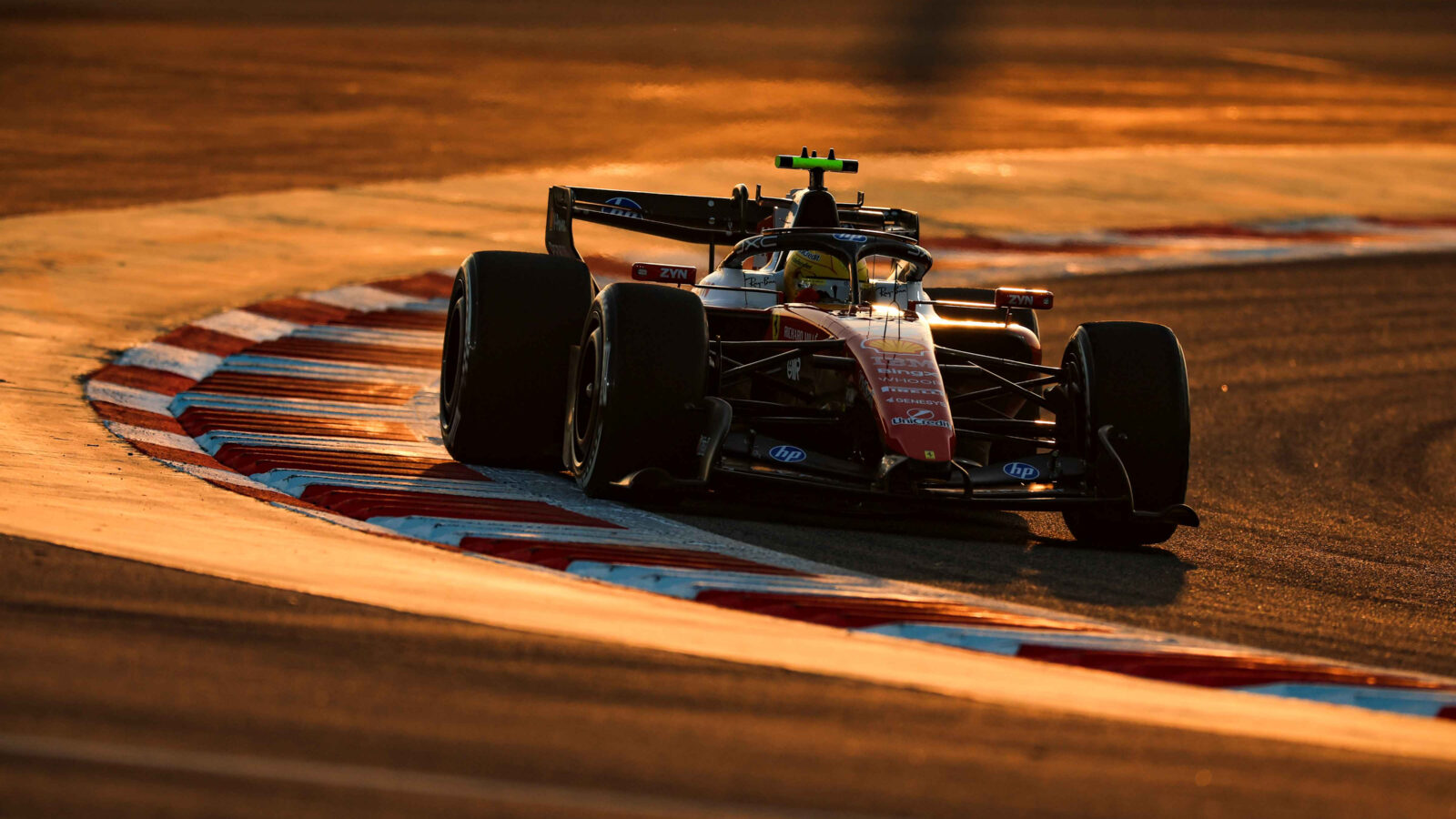
Scuderia Ferrari caused a sensation at the second pre-season test in Bahrain with a spectacular technical innovation. The Italian team presented a revolutionary rear wing whose upper flap can rotate 180 degrees, literally turning upside down. The new development uses the Active Aero system of the new 2026 Formula 1 regulations in a completely novel way and could give Ferrari a decisive aerodynamic advantage.
The system works via a pivot axis at the front edge of the wing. When Active Aero is activated, the wing flap rotates completely and takes an inverted position. This is designed to drastically reduce drag, which could mean a significant speed advantage on the straights. The development also works in conjunction with experimental changes to the SF-26’s diffuser.
Lewis Hamilton tested the innovative system during the morning session of the second test day, but only for five laps. A technical problem forced the team to bring the car back to the garage early. Hamilton only returned to the track for a practice start at the end of the session. Despite the limited running time, the revolutionary rear wing design caused considerable excitement in the paddock and is considered completely legal under current regulations.
While Ferrari experimented with its spectacular trick, Mercedes dominated the timesheets. Kimi Antonelli set the new best time of the entire test phase with 1:32.803 minutes, beating all previous marks by more than six tenths. Oscar Piastri followed closely behind, while Max Verstappen took third place after his test debut. The low number of laps prevented Hamilton from demonstrating the true potential of Ferrari’s innovation – but the basic concept could prove groundbreaking for the new era of Formula 1.